


Vibe Coding vs Agentic Engineering | Complete Guide
Lahore, Pakistan, 22 Oct, 2026 – AI has changed how quickly an idea can become working software. A founder can describe an application, generate an interface, and demonstrate a basic workflow without spending weeks on development. Engineering teams can also use AI to explore solutions and reduce repetitive work.
But speed creates a question: how do you know whether the result is ready for real users?
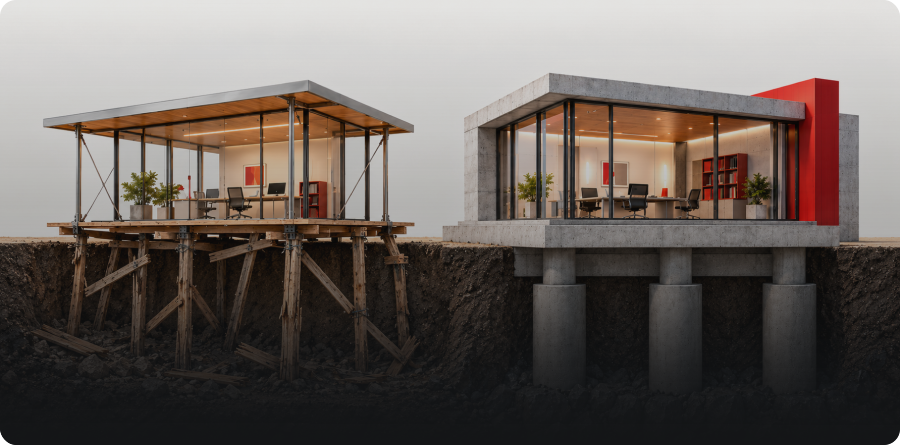
A convincing demo can show what a product might do. It does not establish whether the software can protect data, handle failures, support growth, or remain maintainable.
This is where the distinction between vibe coding and agentic engineering becomes useful. Both involve AI, but they differ in how people direct the work, understand the implementation, and verify the result.
What Is Vibe Coding?
Vibe coding describes an approach where someone prompts AI to build software, tries the output, and requests changes based largely on what they observe.
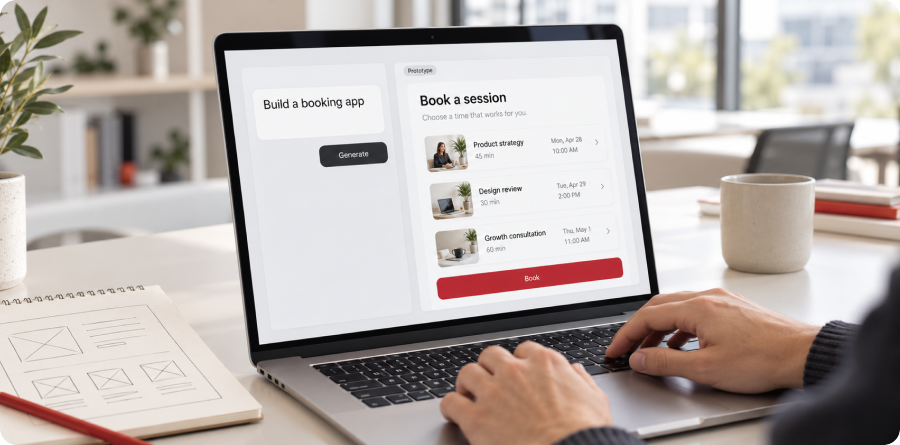
The person might ask for a booking application, a dashboard, or an online store. AI generates code, and the person continues prompting until the application looks and behaves as expected.
In its informal form, the process involves limited inspection of the underlying implementation. Decisions are driven by visible results rather than a detailed understanding of how the system works. This makes vibe coding accessible. Someone with an idea can explore it without first learning every framework, database concept, or deployment requirement.
However, using AI to write code does not automatically mean someone is vibe coding. An engineer who reviews generated code, checks its assumptions, and validates its behavior is applying engineering judgment.
Where Vibe Coding Works Well
Vibe coding can be useful when the main objective is learning.
A prototype can help answer whether users understand a concept, whether a workflow feels intuitive, or whether a business idea deserves further investment.
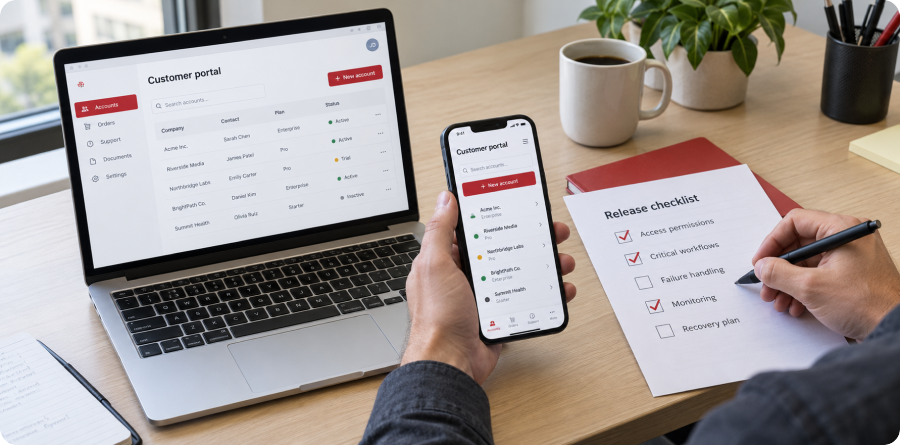
For example, a company considering a customer portal could create a demonstration with sample accounts and simulated requests. That prototype could help stakeholders agree on the features before development begins.
It can also work for small experiments where failure has limited consequences and the output can easily be replaced. The important point is to match the approach to the purpose. A temporary demonstration and a production application have different requirements.
Problems arise when a successful prototype is assumed to be a finished product without examining what sits beneath the interface.
What Is Agentic Engineering?
Agentic engineering uses AI agents within a deliberate software development process.
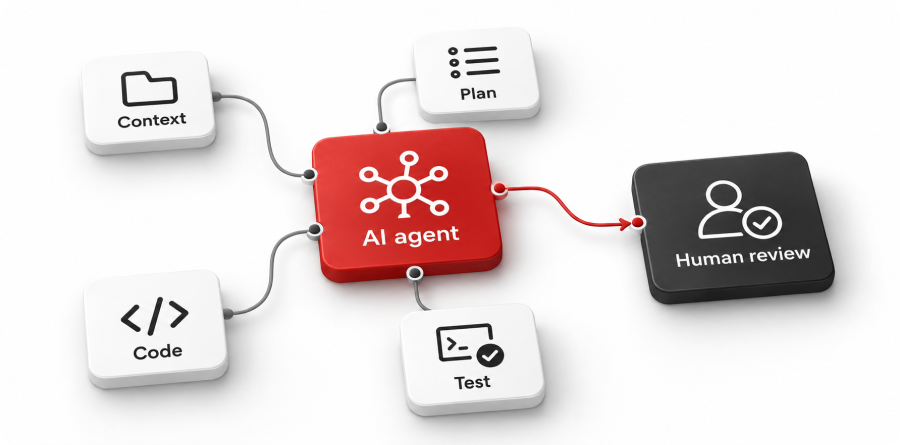
Rather than only requesting isolated code snippets, engineers can assign agents tasks that involve inspecting a codebase, planning changes, implementing features, running tools, and investigating failures.
The engineer provides requirements, system context, and boundaries. They review the work and decide whether the evidence supports accepting it.
For example, an agent might be asked to add a feature while following existing architectural patterns, preserving permissions, and passing relevant tests. The agent can perform substantial work, but responsibility remains with the engineering team.
Agentic engineering is not a guarantee of quality. An agent can misunderstand requirements or produce an incomplete solution. Its value depends on the process surrounding it, including review, testing, access controls, and clear acceptance criteria.
The Difference Is How Work Is Verified
The distinction between these approaches becomes clearest when something appears to work.
In vibe coding, a successful interaction may be enough to continue. A form submits, a dashboard loads, or a checkout screen appears.
In an engineering process, those observations begin a wider assessment. Does the form reject invalid data? Can users access someone else’s records? What happens if the payment provider times out? Does refreshing the page duplicate a transaction?
These questions examine whether the implementation satisfies the requirements beyond the demonstration. An agent can help investigate them, but somebody must define what correct behavior means.
Engineering therefore includes deciding what to build, how to structure it, and what evidence is necessary before trusting it.
Architecture Gives the Product a Foundation
Architecture determines how an application’s components, data, and external services work together.
Without a coherent structure, individual features can become difficult to extend. Similar logic may appear in several places, integrations may become tightly connected, and a small change may produce unexpected effects elsewhere.
Consider a membership platform. The interface might show subscription status, but that status also affects payments, account permissions, administrative tools, and access to resources.
Those relationships need consistent rules. Engineering teams establish where those rules belong and how changes move through the system. AI agents can implement parts of that design, provided they receive sufficient context.
The aim is practical structure that supports the product’s requirements. A small application does not need the same architecture as a complex enterprise platform.
Security Requires More Than a Login Screen
A polished application can still contain serious security weaknesses. Authentication establishes who a user is. Authorization determines what that user can access or change. Both need careful implementation.
For example, a customer portal should prevent one customer from retrieving another customer’s documents, even if they alter a request.
Other requirements include protecting credentials, validating inputs, managing dependencies, and limiting access to sensitive information. AI-generated code needs the same scrutiny as code written manually. An implementation that looks reasonable may still make unsafe assumptions.
Using agents also introduces questions about their permissions. Teams should consider which files, systems, and credentials an agent can access. Security comes from intentional controls and verification throughout development.
Scalability Starts With Realistic Expectations
Scalability is the ability to support increasing demand without unacceptable deterioration in performance or reliability.
A demonstration with a few records may perform well. The same application could struggle with larger datasets, simultaneous users, or demanding background tasks. Engineering teams examine likely bottlenecks, including database queries, external service limits, file processing, and infrastructure capacity.
They also consider cost. An implementation may technically support growth while becoming unnecessarily expensive to operate.
The right approach starts with expected usage rather than assumptions about unlimited demand.
A product serving a small team may need straightforward infrastructure and efficient queries. A platform supporting many organizations may require more extensive planning. AI can help develop solutions, but the design needs to reflect actual business needs.
Testing Covers What the Demo Leaves Out
Demonstrations usually follow a successful path. Real users encounter interrupted connections, expired sessions, invalid inputs, and unavailable services. Testing should examine these situations alongside normal behavior.
For a booking system, that could mean checking whether two people can reserve the same slot. For a payment workflow, it could mean confirming that repeated notifications do not create duplicate orders.
Different tests serve different purposes. Some check individual functions. Others examine how components interact or whether a complete user journey works. AI agents can help write and execute tests, but passing tests do not prove that every requirement has been met.
Engineers still need to assess test quality, investigate failures, and identify important behavior that remains unchecked.
Reliable Software Needs Attention After Launch
Production software continues to change. Dependencies receive updates, customers discover unexpected behavior, and business requirements evolve. Teams need a practical way to observe problems, release improvements, and recover from unsuccessful changes.
Logging and monitoring help reveal failures that users might not report clearly. A controlled deployment process helps changes reach production consistently. Recovery procedures reduce disruption when something goes wrong. Maintainability matters here as well. Another engineer should be able to understand the system without reconstructing every decision from scratch.
Documentation, consistent patterns, and readable code support that handover. AI can assist with maintenance, but teams need enough understanding to judge proposed fixes and their effects on the wider application.
Business Context Changes the Implementation
Software requirements involve more than screens and buttons.
A business may have specific rules for approvals, pricing, refunds, record retention, or account access. Those rules determine how the product should behave.
If an agent receives only a request to “add subscriptions,” it may produce a technically functioning feature while missing cancellation rules or billing exceptions. Clear requirements reduce that gap.
Engineers translate business expectations into concrete behavior and acceptance criteria. They then provide agents with the relevant context and verify the implementation against it.
This work is particularly important when software connects several teams or systems. The more consequential the workflow, the more carefully its assumptions need to be understood.
Moving From a Prototype to Production
An AI-built prototype can provide a useful starting point. The next step is to assess what is suitable for production and what needs strengthening.
Begin by documenting the intended users, important workflows, data sensitivity, and expected demand.
Then review the implementation, integrations, access controls, and deployment setup. Test critical journeys and failure cases.
Some parts of the prototype may be reusable. Others may need restructuring because assumptions made during experimentation no longer fit.
The decision should follow evidence.
This assessment helps preserve the speed of early experimentation while establishing a dependable foundation.
How nullBrainer Builds Beyond the Demo
At nullBrainer, we combine AI with engineering expertise to build software around real business requirements.
That means considering architecture, security, scalability, testing, and maintenance alongside the visible features.
Vibe coding can help explore an idea. Agentic engineering can support a structured development process. In both cases, lasting quality depends on informed decisions and meaningful verification.
Whether you are developing a new application or improving an existing prototype, the goal is software that remains useful as your business evolves.
Build fast. Engineer for what lasts.
